Buying with REMAX Crown Real Estate

Your path to homeownership

Buying a home is a big decision, and REMAX can help guide you through the process. With experienced in the Regina and Area Agents, a strong track record of successful home sales, and a reputation for excellent customer service. When you make the important decision to buy a home, We are committed to going the extra mile to ensure that all of your needs are successfully met in a professional and honest manner.

Service & commitment

What to expect when buying with REMAX

  • Access to listings: I have access to a wealth of listings, including homes that may not be publicly listed, giving you more options to choose from.

  • Expertise: I have a deep understanding of the market and can provide valuable insights and advice on factors like home values, negotiation strategies, and closing costs.

  • Negotiation skills: An experienced negotiator and can help you get the best deal on your new home.

  • Handling paperwork: The home-buying process involves a lot of paperwork, Our agents can help you navigate it all, from the offer to closing.

  • Stress relief: Buying a home can be stressful, an agent can take some of the burden off by handling the logistics and communicating with other parties involved in the transaction.
Buying resources

How it works

Guiding you the whole way!

Our team of skilled RE/MAX Crown Real Estate agents are dedicated to helping you find your ideal home. With expertise across Regina’s real estate market, they’ll guide you through every step—from identifying properties that meet your needs and budget to drafting contracts and presenting offers. Our agents also set up automatic notifications, keeping you updated on new listings so you’re among the first to see opportunities. Committed to client satisfaction, they’ll ensure your home-buying journey is seamless and successful.

Helpful Buying Resources

Tips and Things To Watch For

8 Mistakes to avoid when buying a home

8 Mistakes to avoid when buying a home

The process of buying a new home can be incredibly exciting, yet stressful, all at once. Where do you start?

Buy or sell first?

Buy or sell first?

Use the following as a guide to explore what might be the best move for you.

Buying a home: What expenses to expect

Buying a home: What expenses to expect

Dont' get caught financially unprepared, blindsided by taxes and other hidden costs on closing day.

Hire the right agent: 8 Questions to ask

Hire the right agent: 8 Questions to ask

Use the following as a guide to finding the agent that is right for you.

Home Inspections: Top 10 Problems

Home Inspections: Top 10 Problems

This guide will help you to identify areas for repair or improvement before they grow into costly problems.

How To Set An Offer Price

How To Set An Offer Price

This guide will give tips on determining a fair price range and, from there, establish the price you’re willing to offer.

RSS

4 Mistakes to Avoid Before a Closing

What not to do before the house is officially yours.

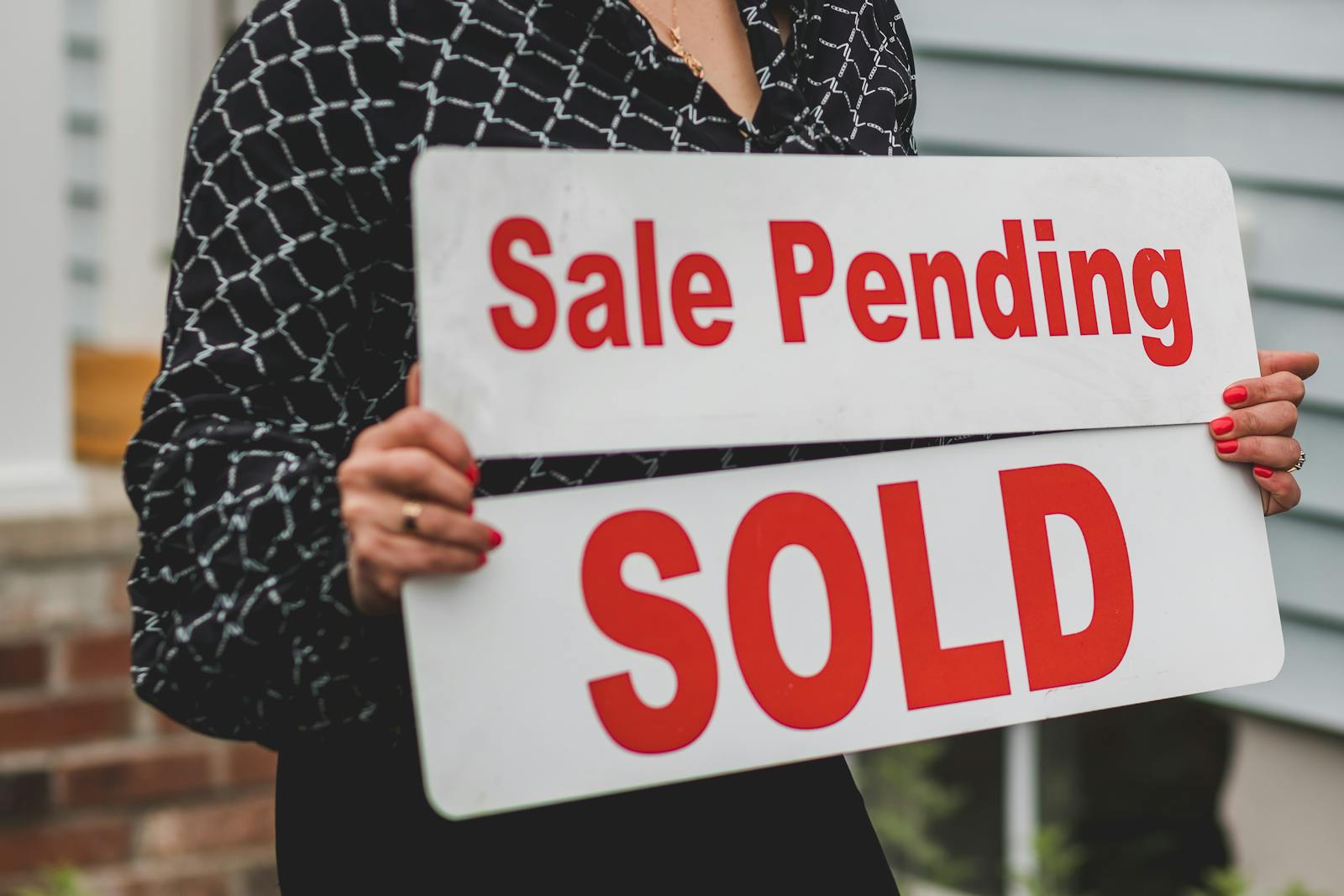
The end of the home-buying process is in sight! It’s only a matter of time before S-O-L-D takes over the “For Sale” sign of your future home. But don’t get ahead of yourself and make a careless error that could slow down or even kill the sale. To ensure your closing is smooth and successful, avoid the following all-too-common mistakes. 

Your home purchase agreement may include deadline-specific obligations, such as a home inspection or securing finances for an appraisal. It’s essential that you stay within the established timeframe as closely as possible. Don’t be afraid to follow up with your home inspector, mortgage loan officer and anyone else responsible for meeting the deadlines outlined in your agreement.

Making Big Purchases During Escrow

Messing with your income-to-debt ratio is a red flag for lenders. The ratio of your monthly income to your debt is one of the main factors a lender considers when qualifying you for a mortgage loan. Before closing on a home, your lender will most likely run your financials two or three more times. You’ll want your finances in tip-top condition during this process.

Opening New Credit Cards

While it’s tempting to buy new furnishings, dishware and appliances for your future home, be sure to hold off on opening new credit cards until after closing.

Changing Jobs

It’s good to help the lender feel confident in you before closing. What makes a lender confident? Stability. Changing jobs right before a closing can slow down the process or scare a lender out of the deal. Lenders typically want physical proof of a two-year work history, so this isn’t a wise time to make a big career change.

When you are inches away from sealing the deal on your new home, it’s critical to avoid making these mistakes that can bog down – or stall – the closing process.

Want the best help from “sale” to “sold”? Get in touch with a RE/MAX agent today!

Source: https://news.remax.com/4-mistakes-to-avoid-before-a-closing

Read

How to Make a Small House Look Bigger

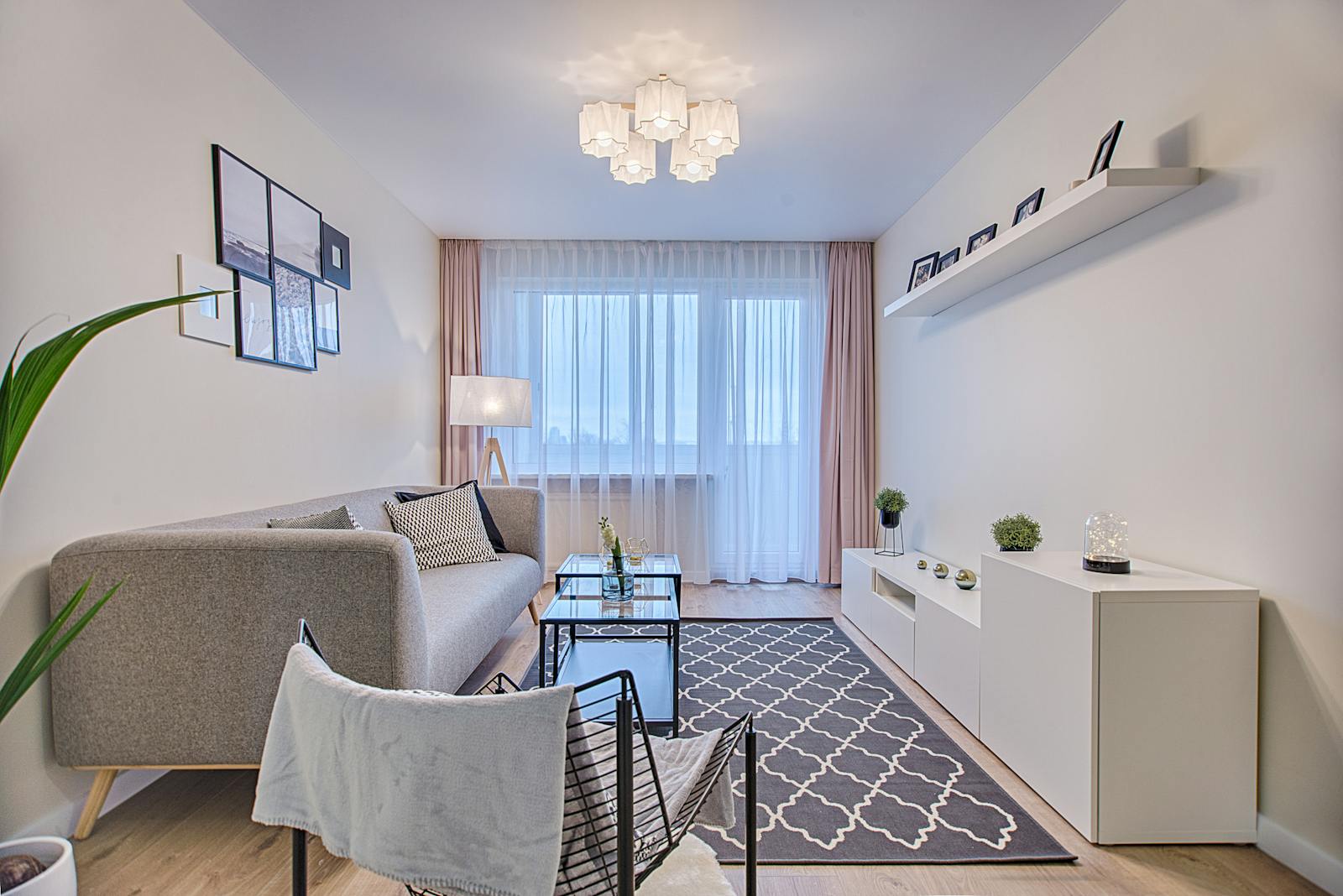
When it comes to selling a home or preparing to move up to a larger space, your small house has the potential to make a big impression. The exterior and interior aesthetics of your house can play a significant role in capturing the interest of potential buyers. By creating an illusion of greater space, you can make your small house stand out, making it feel larger and more inviting.

There are numerous simple and effective ways to make a small house appear more spacious and open. By implementing a few straightforward strategies, you can transform your home into a more appealing and marketable property, ensuring that it catches the eye of every potential buyer who walks through the door. Let’s learn how to make your house look bigger, outside and inside.

Tips for How to Make a Small House Look Bigger

The Power of Paint

Paint is a powerful tool for making a small house appear larger. Strategically using paint colours, both inside and outside, can completely change the perception of space, making rooms feel open and airy and the exterior more inviting and expansive.

Opt for lighter shades such as beige, soft gray, and white for the bulk of the exterior. These colours reflect more light and can make the house look larger and more welcoming. Employ darker shades for trims, windows, and doors to add depth and dimension without overwhelming the overall appearance. Darker accents can highlight architectural features, making them stand out and add visual interest.

For the interior, light shades such as pastels, light greys, and beige can create an illusion of larger spaces. These colours reflect more natural and artificial light, making rooms feel airy and expansive. Ensure a cohesive colour palette throughout the interior to create a seamless flow from room to room. This continuity prevents visual interruption and makes the entire space feel more unified and spacious.

Strategically placing darker colours in a room can paradoxically create an impression of greater space by adding depth and dimension to the environment. For instance, painting one wall in a darker shade while keeping the other walls light can draw the eye outward, elongating the perceived dimensions of the room. By carefully selecting where to place these darker colours, homeowners can transform a small, constrained room into a visually dynamic and seemingly larger space.

Utilize Architectural Details

Several elements can work together to maximize natural light, create a sense of depth, and enhance the visual flow between indoor and outdoor spaces:

Horizontal Siding – Incorporating horizontal siding can elongate the visual width of the house, making it appear broader and more spacious.

Large Windows – Installing larger windows is key to bringing in ample natural light, making any room feel larger and more inviting. Large panes minimize obstructions and offer unobstructed views, helping blur the lines between indoor and outdoor spaces.

Sliding Glass Doors – Sliding glass doors, especially those that open onto a patio or garden, can significantly enhance the sense of space. These doors serve as functional barriers that can be easily moved to merge indoor and outdoor living areas. The transparent barriers ensure that they don’t disrupt the visual continuity even when closed.

French Doors – French doors offer the additional benefits of elegance and aesthetic appeal. Opening both doors can provide a wide entryway that facilitates easy movement between spaces, enhancing the overall flow and feel of a larger area.

Free Up Floor Space

Improving the flow and usability of each room can contribute to a cleaner, more organized appearance, which naturally enhances the sense of space. Choose pieces that serve more than one purpose, such as ottomans with storage compartments, sofas that convert into beds, or dining tables with built-in shelves. Multi-functional furniture saves space by reducing the number of items needed, making the room less cluttered. However, make sure it fits the scale of the room. Overly large furniture can overwhelm a small space, while appropriately sized pieces can make the room seem more spacious.

To maximize space, utilize built-in storage options like recessed shelves, under-bed drawers, and wall-mounted cabinets. These solutions help keep belongings organized and out of sight, keeping the living areas free from clutter. Use vertical space by installing tall shelves, hanging storage units, and stacking storage boxes. Vertical storage draws the eye upward, emphasizing the height of the room and making it feel larger.

Arrange furniture to create clear, unobstructed pathways through rooms. Avoid placing large pieces in high-traffic areas to ensure easy movement. This layout not only improves the functionality of the space but also prevents it from feeling cramped.

Whether you’re wondering how to make a small house look bigger before you list it for sale, or you’re ready to make your move into new home, partnering with a real estate expert can make all the difference. Contact your local REMAX agent to start your journey toward a successful home sale and your dream upgrade.

Source: https://blog.remax.ca/how-to-make-a-small-house-look-bigger/?fbclid=IwY2xjawOVYUdleHRuA2FlbQIxMABicmlkETFBenhlOEZ6VG84ajVCZGc1c3J0YwZhcHBfaWQQMjIyMDM5MTc4ODIwMDg5MgABHqgbe6YLWAoqIm92W8IABh-ti7lUrfgk49hS8fVF3sOv_dRU66Uz-pOspPr8_aem_kSDQU7DMfuQ8UEve7slSfA

Read

4 Reasons Why Home Inspections Matter

Help your wallet (and your peace of mind!) by hiring a professional inspector before signing on the dotted line.

Buying a home is expensive, so why spend more money on a home inspection? Well, having a professional perform a home inspection can actually help your wallet in the long run. You’ll improve your chances of avoiding unwanted housewarming “gifts” -­ like a surprise rain shower from a broken pipe – and decrease your chances of experiencing buyer’s remorse. Need a few more reasons for why home inspections matter? Read on!

No Surprises

The excitement of homeownership can skew perspective – as though you’re seeing through rose-colored glasses. Thankfully, a certified home inspector has no emotional attachment to your soon-to-be residence and can objectively identify structural, electrical and plumbing issues. 

Bargaining Power

Since home inspections are typically conducted after an offer is accepted, the inspector’s detailed report can – and should – be used as a negotiating tool with the seller. 

Save Money Down the Road

Inspections can help you gain bargaining power, and with this bargaining power you can save hundreds or even thousands of dollars down the road. It’d be quite a burden to skip a home inspection only to later find out the entire home needs rewiring. 

Safety

You’ve heard it before: “Safety first!” This is especially true for your new home. Home inspections not only uncover minor damages to the house but also life-threatening issues like lead paint, asbestos, radon and mold.

As you continue your path to homeownership, it will be important to have an agent guide you through the process. Find an agent in your area today!

Source: https://news.remax.com/4-reasons-why-home-inspections-matter

Read

How to Prepare for a Move

7 tips for easing the stress once the house is yours.

You’ve finished signing papers and it’s official – the house is yours! Time to prepare for the big move. At this stage, initial feelings of excitement may soon give way to anticipation, chaos and long to-do lists. To prepare yourself and relieve the stress of moving, follow these seven tips.
Create a Moving Binder

With the countless expenses, receipts and packing lists that accompany the moving process, it is critical to keep your records organized. Use a binder to store and organize all documents related to the move.

Declutter and Purge

Close your eyes and envision your new space – how do you want it to look and feel? When you start packing up your belongings, be cognizant of what’s valuable to you versus what’s just clutter. If you’re unsure of how to pare down, ask yourself – honestly – if it will enhance your new space. A new home is an opportunity to start fresh and create an environment you love.

Labeling Boxes

Labeling your boxes with their corresponding rooms will make unpacking much less complicated. Mark your fragile items clearly to avoid them being damaged during the move. 

Decide Your Method of Moving

Do you want to hire a moving company or are you more DIY? Weigh the pros and cons: How much are you willing to spend, and how much time and energy do you have to complete the move yourself? If you’re uncomfortable with heavy lifting, consider a professional mover to do the job for you

Change Your Address

Be sure to forward your mail a few weeks prior to moving (to begin on your move-in date) and update your address on important documents and accounts, including your driver’s license, subscriptions, newspaper, credit cards, bank accounts and other online accounts.

Transfer Utilities

Consider what services you need up and running on the day you move into your new home and contact those providers weeks in advance. Make gas and electricity a priority, followed by services like cable and internet.

Research Things to Do in Your New Area

Get familiar with your new neighborhood by researching the best restaurants, cafes and activities in town. It will get you excited about the move and also make the area feel more navigable once there.

Reduce your stress during the home-buying process by working with a RE/MAX agent.

Source: https://news.remax.com/how-to-prepare-for-a-move

Read

Ready to make a move?

We look forward to hearing from you!

Buying a home can be an exciting and challenging process, but with the right team and preparation, it can also be a smooth and successful experience. Contact us today to speak with an available agent!

Buying Form

The Saskatchewan REALTORS® Association (SRA) IDX Reciprocity listings are displayed in accordance with SRA's MLS® Data Access Agreement and are copyright of the Saskatchewan REALTORS® Association (SRA).
The above information is from sources deemed reliable but should not be relied upon without independent verification. The information presented here is for general interest only, no guarantees apply.
Trademarks are owned and controlled by the Canadian Real Estate Association (CREA). Used under license.
MLS® System data of the Saskatchewan REALTORS® Association (SRA) displayed on this site is refreshed every 2 hours.