Unstoppable Starts Here

When you decide to work with a REMAX® agent, you can feel confident you’ve made a smart choice (and not just because REMAX is the #1 name in real estate(1).

There’s a reason more buyers and sellers think of REMAX than any other real estate brand(2), and it lies in more than 50 years of experience, adaptability and evolution. This brokerage is not a pop-up, a trend or a fad. These roots run deep, and experience runs wide — network-wide. You can trust the REMAX foundation was built strong.

Founded in 1973 by Dave and Gail Liniger, REMAX stands for “Real Estate Maximums.” The new name and concept intended to disrupt the industry by creating an innovative, entrepreneurial culture that affords its agents and franchisees the flexibility to operate their businesses with greater independence.

And disrupt it did.

Now, with more than 145,000 agents in nearly 9,000 offices and a presence in over 110 countries and territories, nobody in the world sells more real estate than REMAX(3).

It took unstoppable grit, continuous learning, agile navigating and, most of all, passion. That’s why the REMAX network offers more real estate sales experience than other agents, giving you the confidence to navigate any market with a trusted professional.

1Source: MMR Strategy Group study of unaided awareness. 2Source: MMR Strategy Group study of unaided awareness among buyers, sellers, and those planning to buy or sell; asked, when they think of real estate brands, which ones come to mind? 3As measured by total residential transaction sides.

home buyers guide moving

Find the REMAX Agent

That’s Right For You

Choosing the right agent can make a difference in the quality of your entire home-selling experience. And working with a REMAX agent means you unlock access to current market information. Ask your REMAX agent to set up market reports and listing valuations in MAXTech℠ powered by BoldTrail and Listing alerts on remax.ca.

TOP QUESTIONS TO ASK AN AGENT

1. Are you a full-time real estate agent?
2. How much experience do you have in my neighbourhood?
3. Can you provide references?
4. How many homes have you listed and sold in the last year?
5. What services and resources do you offer?
6. How does the homeselling process work and what is expected of me?
7. How long are homes in my neighbourhood usually on the market?
8. How would you price and market my home?
9. How many open-house tours do you conduct? Are you willing to add more?
10. What disclosure laws apply to me?
11. What does the listing agreement entail and what is your fee?
12. What happens if you (or another agent) find a buyer to purchase my house?
13. What happens if I’m not happy with your services?
14. Anything else I should know?

You Got This

Selling a home can be complicated. From preparing the property and marketing the listing, to the negotiations and paperwork — there’s plenty to do. If you’re ready to begin the selling process or simply want to plan ahead, this guide is an ideal starting point.

EXPLORE THESE HELPFUL TOPICS INSIDE

• How to find the right listing agent.
• The do’s and don’ts when listing and showing your home.
• Selling strategies for move-up buyers.
• Important terms you should know.

Sellers Do's & Dont's

DO

Financially Prepare
Discuss all expenses and strategies for listing and marketing your home with your agent. And remember, the rate you pay an agent is negotiable, so consider the options and what it means for your bottom line. But be wary of deep discounts — more deals may mean an agent has less experience. A reputable agent, such as a REMAX agent, will be upfront and highly detailed, helping you to make confident and well-informed decisions.

Clear Out & Clean Up
You want potential buyers to imagine your house as their own, so clear out the clutter. Remove excess home décor, pack up the collectibles, put away the kids’ toys and eliminate pet evidence (unless your home includes a pet amenity like a dog-washing station). You’ll also want to clean everything, from the baseboards to the ceilings and every spot in between. In addition, keep the house at a comfortable room temperature and avoid strongly scented air fresheners.

Update & Upkeep
Impress house hunters with simple yet visually appealing updates. Inside, consider swapping out old light fixtures, painting the walls a light neutral colour with white trim and replacing older carpets with new hard flooring. Outside, remember to trim bushes and trees, pull weeds, keep the grass cut or the driveway shoveled and add greenery and flowers for a flattering first impression.

Organize & Categorize
Arrange furnishings to complement the size, traffic flow and natural light of the room. If you’re not sure, consult a professional stager. You’ll also want to organize all of your paperwork: inspection reports, property disclosures, appliance manuals, etc. Then, categorize them in an easy-to-access binder for quick reference. A REMAX agent can help with all of these details.

Respect & Respond
Stay open to professionals’ (appraiser, inspector, stager, etc.) suggestions on what changes can be made to make your home more broadly appealing. And don’t be offended by a low offer; discuss a plan with your agent to respond to the buyer. You’ll likely let them know the offer was too low, but that you are serious about accepting a better one.

DON’T

Fall Behind
Selling your house is hard work, but it’s important to stay up to date on your responsibilities. Once you find a buyer, you must continue caring for the property as well as paying your mortgage and utility bills so you don’t have extra costs to cover at closing.

Get Impatient
The time it takes to sell a home varies based on market conditions (and you may start to feel antsy). But no matter how fast or slow the sale of your house moves, it’s important to avoid entering into negotiations with buyers who aren’t preapproved for a mortgage. Also, listen to your agent and set the price according to market conditions. Pricing it too high can keep it on the market and make it appear unattractive, flawed or stale.

Hide or Hover
Your home needs to be ready when buyers are. So it’s best you don’t request a 24-hour notice or allow your phone or emails to go unanswered. Also, inform your agent of any audio or video equipment in and around the home, as local laws and rules may require action for home tours. And finally, make sure to leave during showings. Buyers appreciate space and may feel uncomfortable sharing their thoughts if you’re present. A good agent will share feedback from each tour to keep you informed.

Forget To Think Beyond the Sale
If you have an existing home to sell, you might anticipate excess funds after closing. But if you’re purchasing another home, it’s recommended to check in with your real estate agent and mortgage professional before acting. Life happens. You might need to replace a car, find a new loan, add to credit card balances or pull from savings. A quick check-in can help you understand how these actions may impact your finances, so you can avoid unforeseen complications in the future.

Do It All or Leave It All
Working with a real estate agent can be invaluable. Why try to do it all when you can hire a professional agent with the experience and expertise to do it for you? However, when you hire a real estate agent, don’t leave it all up to them. You’ll have a number of personal responsibilities to manage to help make your homeselling experience successful.

CLEAN UP THE CLUTTER

When listing your house and preparing for showings, it’s best to organize your space. A good rule of thumb is to sort through all the items you don’t use regularly and sort them into three piles: pack it, donate it and discard it.

Pack It
If you’re packing up, consider renting a portable storage container, they’re delivered to your home, picked up when full and stored until you need them again. Just note: if your property or HOA doesn’t allow portable units, look into a nearby storage facility as a backup option.

Donate It
For the items you’re donating, a number of charities now offer scheduled donation pick-ups. Visit your favorite charity’s website to learn when they’ll be in your neighbourhood.

Discard It
For the items your’re discarding, first make sure they can be discarded. Certain items need to be recycled or properly disposed. Check with your municipality website to find a convenient and affordable way to properly dispose of certain materials. If what you have truly can be discarded, consider renting a dumpster for large quantities.

SIX STAGING SUGGESTIONS

Not interested in hiring a professional stager? Consider these six staging suggestions to help enhance your home:

FIX

minor flaws and imperfections; buyers don’t want deferred maintenance issues.

REMOVE

excess furniture from rooms and clutter from countertops to make spaces appear larger.

CLEAN

and organize everything including garages, closets, storage rooms and laundry rooms. Buyers look everywhere.

WASH

windows, pull back curtains and turn on lights in dim rooms to brighten areas and make rooms appear larger.


PAINT

walls in light neutral tones and pack up family pictures so buyers can envision their décor preferences.

MANAGE

your yard; shovel the paths, mow the lawn, plant flowers and remove cobwebs from the door frames and light fixtures.

Three Strategies for

Move-Up Buyers

As a move-up buyer, you’re likely in a better financial position than when you purchased your first home, and a REMAX agent can help optimize your new selling strategy. If you have an existing home, you probably have savings or equity, which can make the move feel less like a compromise and more of a thoughtful selection. That said, the logistics of upgrading your location and home can present new challenges and requires a carefully considered plan. Here are three options for the smart move-up buyer.

SELL FIRST, BUY LATER

The “Sell First” strategy is ideal if you’re a move-up buyer who doesn’t want to be stuck paying two mortgages simultaneously. It also reduces the chances of having to lower your asking price if the sale isn’t happening at your preferred pace. This is a good option for move-up buyers who are banking on the proceeds of their sale to fund their new property. By selling first, you’ll know exactly how much money you have to purchase your next home.

TIME AND ALIGN YOUR PURCHASE AND SALE

Aligning your purchase and sale closing dates can be tricky. Remember that there are three parties to these transactions: you, the person you’re buying from and the person you’re selling to, each with possible varying contingencies. You’ll also have to move out and move in on the same day. In this scenario, flexibility is your best friend. You’ll need to plan ahead, research neighbourhoods, be preapproved for a mortgage and have started the organizing and decluttering process before the big move.

BUY FIRST, THEN SELL

If you’re buying in a seller’s market, then buying first might be the way to go. By buying your new home before selling your current one, you won’t feelrushed into settling for a property that doesn’t meet your needs, or having to seek temporary housing while you shop in a tough market. You’ll still live in your existing home, allowing you time to shop and continue looking until you find that perfect place.

Note: This could require a bridge mortgage. Your move-up strategy will depend on a number of factors, such as your financial situation, the current housing market conditions and your comfort level. Prepare yourself by choosing to work with a knowledgeable REMAX agent who can ensure a smooth transaction at both sides of the offer table.

Download the Home Seller Resource Guide Today!

Asking Price

The price that the seller has agreed to list their property for. The asking price is different from the selling price, which is the final price that has been agreed upon by the buyer and seller.

Balanced Market

There is an equal balance of buyers and sellers in the market, which means reasonable offers are often accepted by sellers, and homes sell within a reasonable amount of time and prices remain stable.

Bridge Financing

A short-term loan designed to “bridge” the gap for homebuyers who have purchased their new home before selling their existing home. This type of financing is common in a seller’s market, allowing homebuyers to purchase without having to sell first.

Buyer’s Market

There are more homes on the market than there are buyers, giving the limited number of buyers more choice and greater negotiating power. Homes may stay on the market longer, and prices can be stable or dropping.

Chattels

Unattached items in the home that can be removed without doing any damage to the property, such as curtains, but not the curtain rods since they are physically attached  to the home. Chattels are usually not included with the home purchase, unless specified in the Agreement of Purchase and Sale.

Closing

This is the final step in the home-selling process. Once all offer conditions outlined in the Agreement of Purchase and Sale have been met, at the end of the closing period, ownership of the property is transferred to the buyer and the keys are exchanged on the closing date outlined in the offer. Dates vary by location. Be sure to ask your real estate agent.

Contingencies

When the sale of the home hinges on predetermined conditions, such as “conditional on financing” or “conditional on a satisfactory home inspection.” If the conditions are not met, the buyer can back out of the deal.

Counteroffer

When the original offer to purchase a home is rejected by the seller, the seller can counteroffer with adjustments, usually to the price or terms of the purchase, such as the closing date.

Curb Appeal

The appeal of a home when viewed from the curb. Curb appeal includes the home’s exterior, front yard and anything else that’s visible from the street.

Comparative Market Analysis

A comparative market analysis (CMA) is a report on comparable homes in the area that is used to derive an accurate value for the home in question.

Fixtures

Items that are physically attached to the home and require tools to remove. Fixtures are included as part of the purchase. Examples of fixtures include ceiling lights, cabinet hardware and appliances. If the seller plans to take any fixtures with them when they move, either remove them prior to listing the home, or be sure to specify the fixtures in the Agreement of Purchase and Sale.

FSBO

Acronym for “For Sale By Owner,” meaning the seller hasn’t retained the services of a licensed real estate agent or broker to assist with the sale of their home.

Home Value Estimator

A home value estimator is a tool, typically found online, that helps seller’s estimate the value of their property. The result is an estimate and is different from a detailed CMA provided by a real estate agent.

MLS

The Multiple Listing Service, commonly referred to as MLS, is a database established by cooperating real estate brokers to provide data about properties for sale.

Offer

An offer is a legal agreement to purchase a home. An offer can be conditional on a number of factors, commonly conditional on financing and a home inspection. If the conditions are not met, the buyer can cancel their offer.

Seller’s Market

In a seller’s market, there are more buyers than there are homes for sale. With fewer homes on the market and more buyers, homes sell quickly in a seller’s market. Prices of homes are likely to increase, and there are more likely to be multiple offers on a home. Multiple offers give the seller negotiating power and conditional offers may be rejected.

Staging

Preparing a home for sale to appeal to a wide range of homebuyers. The staging process often includes decluttering, depersonalizing, deep-cleaning and minor updates such as painting and rearranging furniture.

Check out our Blog

Discover expert advice, market insights, and step-by-step guidance for selling your home in Regina and area.
Learn how to attract buyers and maximize your return.

RSS

How to Design a Micro Escape at Home (Without a Big Backyard)

There’s something about summer that makes you want to step outside, even if “outside” is a 60-square-foot balcony with a plastic chair and a dying succulent. The good news? That’s more than enough to work with. The idea of a “micro escape” has been quietly picking up steam in home design circles, and it makes a lot of sense. Not everyone has a sprawling backyard or a wraparound porch. But most of us have something: a balcony, a corner of a patio, a sliver of a garden, or even just a sunny windowsill, and with a bit of intention, that something can genuinely feel like a getaway.

Here’s how to create yours.

Key Takeaways

  • A micro escape is any small, intentionally designed space, indoors or out, that helps you decompress. Square footage is not the point; atmosphere is.

  • Balconies, small patios, and even indoor shelving corners can all function as a micro escape with the right seating, lighting, and greenery.

  • The most effective small outdoor spaces use natural materials, layered plants, and warm ambient lighting to create a sense of retreat.

  • A well-styled outdoor space can also support your home’s curb appeal and help buyers connect emotionally with a property when it’s time to sell.

  • You don’t need a big budget; focused, intentional updates outperform random, expensive ones every time.

What Is a Micro Escape, Exactly?

A micro escape is a small, intentionally designed space in or around your home that gives you a moment of pause. Think: the kind of spot where you’d actually put your phone down. It’s not about square footage, it’s about atmosphere. Rattan chairs, string lights strung overhead, a couple of textured cushions, and suddenly you’re not in a Toronto suburb anymore; you’re somewhere that feels earned.

The concept leans into a broader shift in how Canadians are thinking about their homes. Post-pandemic, people started paying real attention to what their outdoor spaces could actually do for them. And that shift hasn’t reversed.

Balcony Makeovers: Small Space, Big Payoff

If you live in a condo or apartment, your balcony is the most underused square footage in your home. Most people use it to store bikes and Amazon boxes. But with a few targeted updates, it can become the place you actually want to spend your evenings. Start with seating that fits the space proportionally. A small loveseat or a pair of chairs with cushions goes a long way. Add an outdoor ottoman for flexibility, it doubles as a footrest or an extra seat when friends come over.

From there, layer in textiles. An outdoor rug anchors the space and makes it feel like a room rather than a ledge. Throw pillows in a cohesive palette, neutrals with one or two deeper tones, keep things looking pulled together without requiring much effort. Greenery is non-negotiable. Hang planters on the railing or wall, cluster a few potted plants at different heights, and let trailing vines do some of the decorating for you. If you’re short on floor space, vertical plant displays are your best friend. Finally, lighting. Nothing transforms an outdoor space faster than the right light after dark. String lights looped overhead, a small lantern on a side table, even one or two solar-powered stake lights in a planter can change the whole feel of the space.

Quick tip: Lighter, neutral tones in cushions and textiles make a small balcony feel bigger. Save the bold colours for your plant choices instead.

If you’re also thinking about how your outdoor updates might affect your home’s value, it’s worth reading up on how curb appeal plays into buyer perception, the same principles that make a front porch pop apply to any outdoor space you’re styling.

Mini Outdoor Sanctuaries: When You Have a Little More to Work With

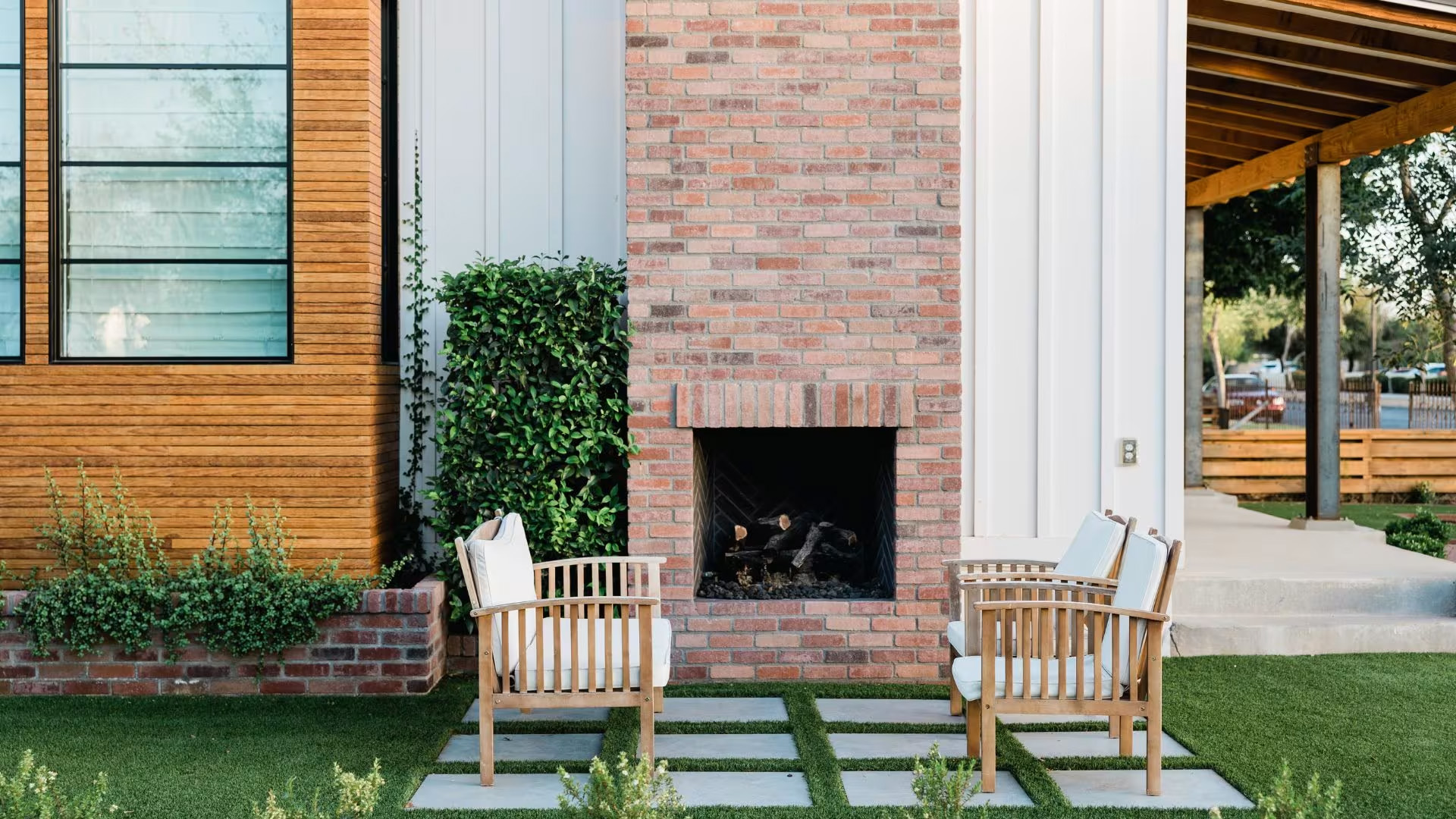
If you have a small patio, side yard, or backyard corner to play with, the goal is the same: create a curated feeling, not a cluttered one. The spaces that feel most like a retreat tend to share a few things: dense plant layering, natural materials (wood, stone, rattan, concrete), and restrained decor. Less “outdoor furniture showroom,” more “somewhere I’d actually want to sit for two hours.”

A round dining table with a few chairs and a bold centrepiece plant is a classic combination for a reason. It’s social without being formal. Add a deck or a section of pavers to define the space from the surrounding garden, and use lighting at the ground level, step lights, solar stake lights, or lanterns along a pathway, to make the space feel finished rather than accidental.

Layered greenery is the real move here. Tall plants in the back, medium shrubs in the middle, ground cover at the edges. It doesn’t have to be expensive or complicated. A few well-placed textured planters and some strategic trips to your local garden centre will get you most of the way there.

Garden Breaks at Home: The Indoor Micro Escape

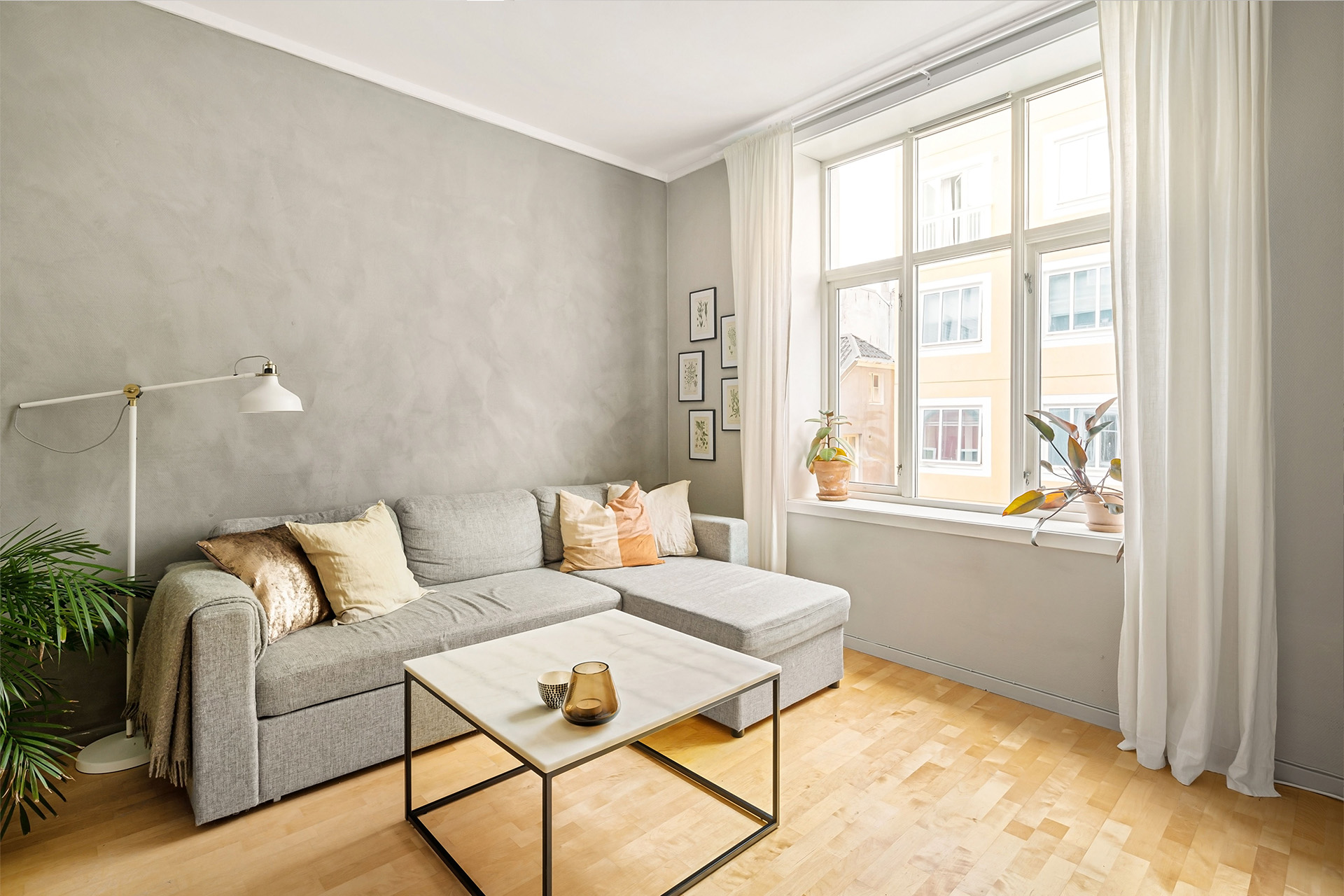
Not everyone has usable outdoor space, and that’s okay. You can absolutely create a micro escape indoors. The key is density and intentionality. A single plant on a shelf isn’t a garden break. But cluster five or six plants together on a wooden shelf or bench, mix in natural materials like terracotta pots, stone accents, and raw wood, and position the whole thing near a window with filtered light, and now you’ve got something.

Define the space softly. A shelf behind the area, a curtain panel, or even just a rug underfoot helps your brain register it as its own zone. That psychological separation is part of what makes it actually feel like an escape, even inside a 700-square-foot condo. If you want to go further, an arched mirror or a curved shelving unit adds architectural interest and makes the space feel more intentional. Think of it less as “a plant corner” and more as a living vignette.

The Finishing Details That Actually Matter

Across every type of micro escape, balcony, patio, or indoor nook, a few things consistently make the difference:

  • Seating comfort. If you wouldn’t sit there for 30 minutes, the space isn’t doing its job. Invest in cushions. Outdoor foam holds up better than you’d think, and it’s widely available at most home stores.

  • Ambient lighting. Overhead pot lights are fine for function; they’re not for atmosphere. Warm, lower-level lighting like string lights, lanterns, and candlelight is what creates the feeling you’re going for.

  • A focal point. Every good small space has something to look at. A statement planter, a textured wall element, a tray with a candle and a small object. Give your eye somewhere to land.

  • You don’t need everything to match, but it should feel considered. Stick to two or three materials and a limited palette, then let texture do the rest.

Does This Add Value to Your Home?

It can. A well-staged and well-maintained outdoor space, even a modest one, makes a difference, both in how you experience your home day-to-day and in how buyers perceive it when it comes time to sell.

Staging outdoor areas with comfortable seating, greenery, and good lighting helps buyers imagine themselves actually using the space. That emotional connection matters more than most sellers realize. If you’re thinking about listing and want to know where to put your energy first, these summer curb appeal tips are a good place to start, and a REMAX agent can help you figure out what moves the needle in your specific market.

If you live in a condo or smaller home and want more ideas for making your space feel lived-in and welcoming, these tips for hosting in small spaces cover a lot of the same territory.

Start Small. Make It Yours.

You don’t need a landscape architect or a big renovation budget to create a space that genuinely feels good to be in. A balcony with two chairs and the right lighting. A patio corner with layered plants and a round table. A shelf of clustered greenery by a sunny window.

The point isn’t perfection. The point is intention, building a spot in your home that invites you to slow down, even briefly. That’s what a micro escape is. And honestly? It’s worth it.

Frequently Asked Questions

What is a micro escape at home? A small, intentionally designed space, indoors or out, that gives you a mental break without leaving your property. The defining feature isn’t size; it’s that the space feels purposeful and calming.

How do I turn a small balcony into an outdoor retreat? Start with proportional seating and an outdoor rug to anchor the space. Add wall-mounted or railing planters for greenery, and finish with warm string lights or a lantern. Keep textiles in neutral tones to make the space feel bigger.

Can I create a micro escape without outdoor space? Yes. Cluster five or six plants on a wooden shelf near a window with filtered light, mix in natural materials like terracotta and raw wood, and define the area with a rug or curtain panel. It works well in condos and apartments.

Does styling an outdoor space increase home value? It can. Livable outdoor spaces help buyers connect emotionally with a property at showings. It’s not a guaranteed number, but it contributes to the overall impression your home makes, which matters more than most sellers expect.

How much does it cost to create a micro escape? A balcony refresh with a rug, cushions, string lights, and a few plants can come in under $300. A small patio makeover with furniture and planters typically runs $500 to $1,500 depending on what you already have.

Source: remax.ca

Read

Find an Agent

Connect with a trusted RE/MAX Crown Real Estate professional.
Browse our experienced Regina agents to find the perfect match for your buying or selling needs.

The Saskatchewan REALTORS® Association (SRA) IDX Reciprocity listings are displayed in accordance with SRA's MLS® Data Access Agreement and are copyright of the Saskatchewan REALTORS® Association (SRA).
The above information is from sources deemed reliable but should not be relied upon without independent verification. The information presented here is for general interest only, no guarantees apply.
Trademarks are owned and controlled by the Canadian Real Estate Association (CREA). Used under license.
MLS® System data of the Saskatchewan REALTORS® Association (SRA) displayed on this site is refreshed every 2 hours.