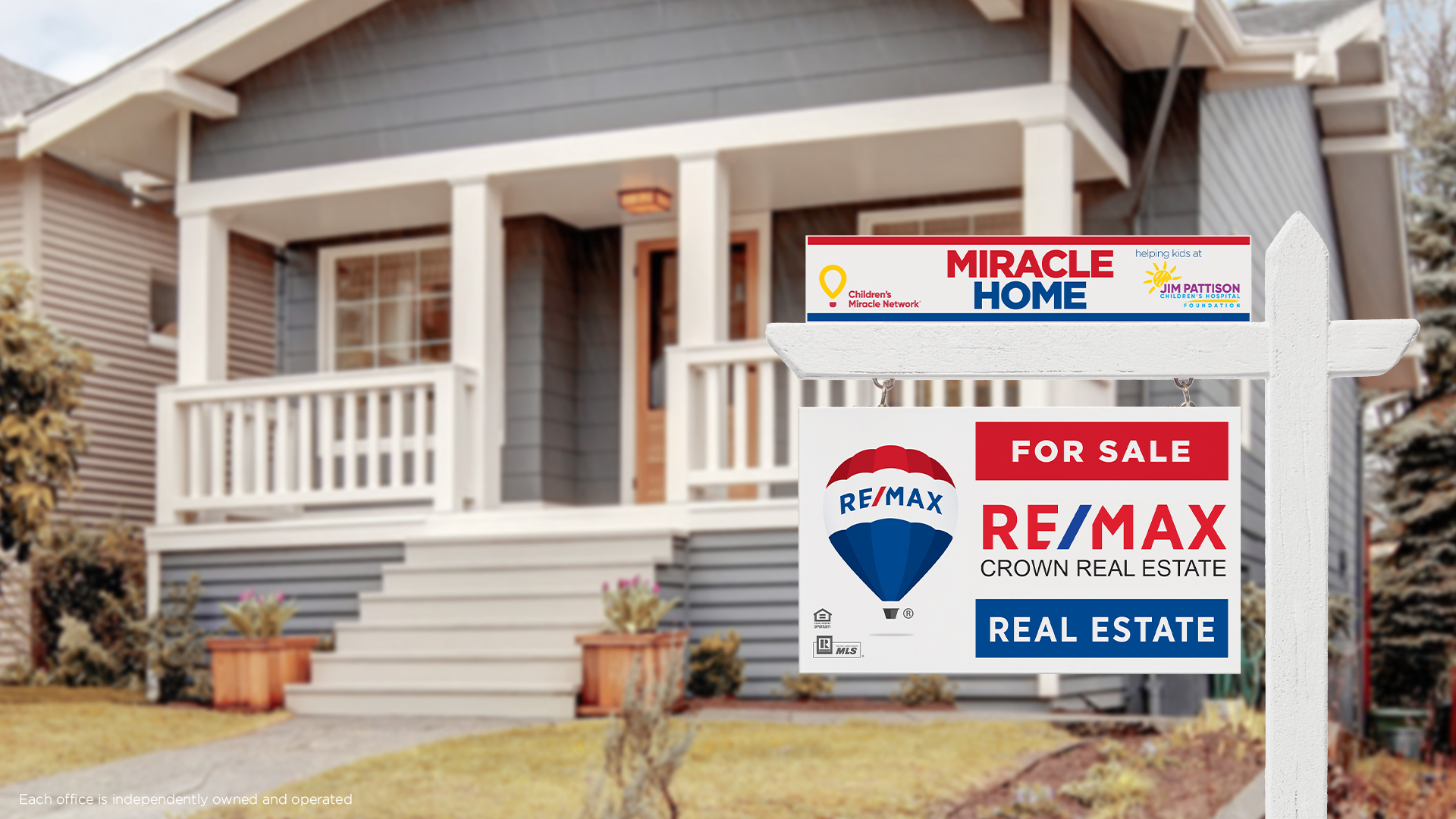






Selling with REMAX Crown Real Estate

Our agents have the tools and expertise to thrive in today’s competitive market.

They’ll work with you every step of the way, using a blend of skill, experience, and technology to sell your home at the highest possible price in the shortest timeframe

Integrity and results

What to expect when Selling with REMAX

  • Pricing expertise: Our Agents analyze local home sales and current market trends to determine the best price for your property.

  • Marketing: Comprehensive marketing plans, including MLS® listings, social media posts, and other strategies to attract buyers.

  • Showings and open houses: Manage scheduling and hosting of showings and open houses to provide opportunities for potential buyers to view your home.

  • Negotiations: negotiate on your behalf to secure the best possible price and terms when offers are made.

  • Contract preparation: assist with preparing all necessary paperwork, including purchase agreements, disclosures, and other legal documents for the sale.
Selling resources

The selling process

From start to finish, I'll be right there

When selling your home, it’s essential to price it competitively to stand out in a crowded market. Our agents will generate a Comparative Market Analysis (CMA) report, which compares your property with recent home sales in your area. This will provide you with a clear understanding of current market trends, ensuring that your home is priced to attract qualified buyers. You can also use our online form to get a quick estimate of your home’s value, helping you make informed pricing decisions for a successful sale.

Helpful selling resources

Ready To Go To Market?

Benefits of using a REALTOR® to sell your home

Benefits of using a REALTOR® to sell your home

Consider the following benefits of working with a REALTOR®.

The best asking price for your home

The best asking price for your home

Learn about setting a realistic price for your home that reflects current market trends.

Drive up appeal: Get your property ready to show

Drive up appeal: Get your property ready to show

Remember, a potential buyer’s first impression of your house is formed while sitting in a car.

How to get top dollar for your home, fast!

How to get top dollar for your home, fast!

Use the following tips to seize control of the home-selling process before you begin.

A manual to prepare your home for selling

A manual to prepare your home for selling

You never get a second chance at a first impression.

Tips for showing your home

Tips for showing your home

Concentrate on the following areas to ensure your home is ready to show.

RSS

Adding a Secondary Suite to Your Home: What You Need to Know

There are numerous benefits to adding a secondary suite to your home, such as additional income and an increase in property value. The demand for rental housing in Canada is high, making secondary suites an attractive option for homeowners who want to add value to their property while also providing affordable housing options. Let’s explore the steps involved in adding a secondary suite to your home so you can make an informed decision that fits your financial situation and goals.

Legal Requirements for Adding a Secondary Suite

Adding a secondary suite to your home involves legal requirements that vary depending on location:

Municipality zoning by-laws – Many municipalities have specific rules around secondary suites, including the maximum size, minimum ceiling height, and parking requirements.

Permits and inspections – This includes building permits, electrical permits, plumbing permits, and fire and safety inspections. You may also need an occupancy permit before renting out your secondary suite.

Fire and safety regulations You’ll need to ensure that your suite meets the necessary fire and safety requirements, including fire separation between the main dwelling and the suite, smoke detectors, egress windows and carbon monoxide detectors.

It’s important to note that failure to comply with these legal requirements can result in fines, legal action, and even the removal of your secondary suite.

Designing Your Secondary Suite

There are several steps involved when designing your secondary suite:

  1. Decide the type of secondary suite you want to build. Several options are available, including a basement suite, an attached suite, or a detached suite. Your choice will depend on your specific needs and the layout of your property.

  2. Consider the floor plan and layout of your suite. Ensure the suite is functional, with a separate entrance, living area, kitchen, and bathroom.

  3. Ensure the suite meets the legal requirements for size, ceiling height, and egress windows.

  4. Choose flooring, lighting, and fixtures that are durable and easy to maintain. You’ll also want to consider soundproofing between the main dwelling and the suite to ensure privacy and reduce noise transfer.

Financing Your Secondary Suite

There are several options to finance your secondary suite:

Take out a home equity loan or line of credit – These options allow you to borrow against the equity in your home, using it as collateral for the loan. Home equity loans typically have fixed interest rates and repayment terms, while home equity lines of credit offer more flexibility in borrowing and repayment.

Take out a personal loan or use a credit card – These options can be more expensive in terms of interest rates, but they can be a good option for smaller projects or if you don’t have enough equity in your home.

It’s essential to consider your financing options and budget for your project carefully. You’ll need to factor in the cost of construction, legal fees, permits, and inspections. Working with a qualified contractor can help you accurately estimate the cost of your project and ensure that you stay within budget.

Government Incentives and Rebates

Government incentives and rebates are available to homeowners who add secondary suites to their property. These incentives vary depending on your location and the type of secondary suite you’re building.

Provincial and municipal governments often offer financial incentives to homeowners who add secondary suites. These incentives are designed to increase the supply of affordable housing and improve the livability of existing homes. Sometimes, homeowners may be eligible for grants or forgivable loans to help offset the construction cost. For example, The Ontario Renovates Secondary Suites Forgivable Loan Program is a provincial program that provides forgivable loans of up to $75,000 to homeowners who want to create or renovate secondary suites in their homes.

Tax breaks are also available to homeowners who create secondary suites in their homes. For example, the Multigenerational Home Tax Credit is a federal program that provides a non-refundable tax credit of up to $2,000 for eligible expenses incurred when converting a home into a more accessible and comfortable living space for elderly or disabled family members.

Building Your Secondary Suite

When building a secondary suite, hire a qualified contractor who has experience in building secondary suites. Look for licensed and insured contractors with experience with the type of secondary suite you want to build.

Throughout the construction process, you must oversee everything to ensure the project stays on track. This includes working closely with your contractor to create a detailed timeline and budget for the project, obtaining all necessary permits and inspections, and monitoring the construction process to ensure that it stays on schedule and within budget. You should also communicate regularly with your contractor and be available to answer any questions or concerns that arise during the construction process.

Adding a secondary suite to your home can be a rewarding investment. Still, seeking professional advice and carefully considering the costs and benefits before embarking on the project is essential. With proper planning and execution, a secondary suite can provide long-term financial benefits and improve the livability of your home. Talk to your financial advisor today to discuss the possibility of building a secondary suite.

Source: remax.ca

Read

Staging Your Home During The Holidays

One of the biggest questions that tends to arise in the months leading up to December, is whether or not people should decorate their homes for the holidays while trying to sell. This is an interesting topic, as some people prefer to see what homes look like when decorated, while other people prefer to see the space without the distraction of decorations.


RE/MAX Influencers – a panel of RE/MAX Sales Associates from across Canada – provided some insight and tips into how you should go about staging your home during the holiday season.


Try to Take Photos Beforehand

One great tip that was offered up by the RE/MAX Influencers was to, if possible, have the listing photos of your home taken before decorating. This will allow potential buyers the chance to see your space both with and without decorations, and also will keep the listing photos from looking outdated if your home is still on the market in the months after the holidays.


Keep it Simple & Generic

Another tip that was provided by the Influencer panel is to keep your decorations simple and generic. While you may normally go full out with decorating for the holidays, try to keep the décor simple if you’re trying to sell. This will help keep your home from looking too cluttered and will allow potential buyers to see where their own decorations might fit if they are thinking of making an offer.

Keeping your décor generic will also help prospective buyers to envision themselves in your home, as not everyone celebrates the same holidays. Keeping things simple and generic will allow your home to be viewed as being festive and cozy, while also being approachable to potential buyers.

Some examples of simple, generic décor could be adding things like throw blankets on the end of beds or adding a festive wreath to the front door.


Tuck Personal Items Away

While it may be tempting to pull out festive family photos from past holiday seasons and put them on display, it may not be the best idea if you’re trying to sell during the holidays. By tucking personal items away, as mentioned above, you allow potential buyers to see themselves in the space, without being distracted by personal items that belong to the current owner.

One Influencer made a great comment, suggesting that, if you have a Christmas tree decorated to only place “fake” wrapped boxes under the tree and to remove any tree ornaments that may hold value and sentiment to keep them safe and help protect your privacy.


Don’t Overcrowd the Space

When decorating for the holidays, it can be tempting to go all out with décor. It is important to keep space in mind when decorating, so you aren’t blocking any key viewpoints or are restricting access to parts of your home that potential buyers may be trying to look at.

If you typically decorate with a large, bushy Christmas tree, consider getting something that is slimmer to help make your space appear more spacious.


Keep it Classic Outside

When staging your home for the holiday season, many people only think of the indoor spaces. The outdoor curb appeal matters too! You may love putting out your festive holiday inflatable decorations every year, but consider keeping those tucked away for the time being if you are actively showing your home during the holiday season, as they may not be everyone’s ideal décor options.

The RE/MAX Influencers suggest keeping outdoor lighting simple and classic by using white/yellow bulbs and string lights to keep your outdoor décor simple, while also looking sophisticated and classy. Consider utilizing any pillars or railings on the front step/porch by wrapping them with string lights and a garland, or putting down a holiday themed doormat to help welcome prospective buyers to your home.


For more articles from our expert Influencers, click here.


Have more questions about the home-staging process, or are you ready to move forward with your sale? Contact a RE/MAX agent today, or download the RE/MAX Home Staging Guide.


DOWNLOAD THE RE/MAX HOME STAGING GUIDE


Source: www.blog.remax.ca

Read

What is Home Staging? Is It Worth It?

So, you have decided to sell your home. No matter what your reasonings are for moving, such a big change can be overwhelming. It can seem daunting with everything you need to know.


Don’t worry, you’ve come to the right place. Selling your home can be emotional, which is why it helps to have an expert guide you through the process. Your RE/MAX agent has the expertise you need to make it easier to move on, and help you get the best price for your home, and offering guidance on things like home staging. So, what is home staging anyway? Here’s everything you need to know.


What is Home Staging?

If you think it means putting on an off-Broadway production in your living room, you’re wrong – but you’ve come to the right place to get the right answer! To put it simply, home staging is a way of presenting your home for sale in a way that helps prospective homebuyers to imagine themselves living there. The process usually includes:


1. Depersonalizing your space

Even if you’re really proud of your Taekwondo trophy (as you should be!), if it’s on your mantelpiece you should pack it away, along with family photos. (Yes, even the ones of the dog.)


2. Decluttering

Though you may not see it, you probably have years’ worth of items on display such as that coffee table book on origami, your favourite collection of spoons, K-Pop memorabilia, mementos and well, stuff that can be packed away. You may see it as taking away the home’s personality but it’s actually taking away your personality, which allows buyers to see a blank slate that they can put their own personal stamp (or stamp collection) on. Try to think of it as less to pack on moving day. This is the objective of home staging.


3. Redecorating

Changing out stained or worn furniture, painting, reorganizing, decorating can help buyers see the value of your home. Worn out items can distract buyers from looking at the space. This is where a professional home stager is very helpful.

You real estate agent can also advise you on which renovations might help get the best ROI.


Who Pays for Home Staging?

The seller typically covers the cost, with the idea that they will recoup the cost (and then some!) in a higher sale price. According to the National Association of Realtors® a survey by the International Association of Home Staging Professionals revealed staged homes (with an investment of one per cent of the listed price) sell up to 30 per cent faster on average for 20 per cent more. These are the key benefits of home staging. Hmmm… suddenly, it doesn’t seem as sad to put away that picture of Grandma on your nightstand!


How Much Does Home Staging Cost?

This all depends on the degree of staging required. An older home may need some more intensive updates, such as painting, replacing hardware and light fixtures, or renting new furniture for a period of time. On the other hand, a home that is relatively new and/or updated may only require some simple depersonalizing and decluttering, which costs nothing. In terms of the home staging service, if the seller engages a professional stager then they’ll incur a service fee, which differs by stager. If the seller takes a DIY approach, it’ll just cost them some time and sweat equity.


Have More Questions?

If so, you’re not alone. RE/MAX Canada hit the streets in a new video series to find out just how much (or how little!) the average person knows about the housing market, and offer some answers in the process.


Still have questions? Connect with a RE/MAX agent to get the answers you’re looking for.


DOWNLOAD THE RE/MAX HOME STAGING GUIDE


FIND A RE/MAX AGENT NEAR YOU


Source: https://blog.remax.ca/what-is-home-staging/?rmxv=1667328514&fbclid=IwAR1hdwJL476q4j43RB4b3wUEQuy4C3gWSKo08aut0NjOfxTG7Jxp5BG0LZc

Read

How To Sell a Haunted House – And How To Avoid Buying One!

Do you believe in superstitions stigmas and the supernatural? whether you believe in them or not, they can have a very real impact on how long it takes to sell your home and the price you’ll get for it. As a homebuyer, even the mere thought of a haunted house can have you running for your life. With that said, there’s always an upside, and in the case of a stigmatized house, an unbothered buyer could be in store for a quick closing and a great price.


Did Someone Say *GULP* Haunted House?


Most people would agree that living in a murder house might be creepy, and it may be enough to turn buyers off, regardless of tight market conditions – which some industry observers might consider even scarier than an other-worldly house guest. Whether or not you believe in the paranormal, it can impact your decision to buy or your ability to sell.

What is a “Stigmatized Property?”


According to the Canadian Real Estate Association, a stigmatized property is one with “an intangible, non-physical attribute that could elicit an emotional or psychological response from a potential buyer.” Aside from past murders and current hauntings, there are some other factors that can be considered stigmatic and thus, problematic:


Unlucky Numbers


Some swear by numerology while others have real-to-them reasons behind their inclination toward – or against – certain numbers. So much so, that something such as a specific street address, the floor in a building, a unit number or a price tag can take some houses on the market, out of the running. In Canada, the number seven is considered to be lucky by some, while 13 is thought to bring bad mojo. To avoid unsellable units, some condo developers will omit a 13th floor in their buildings. Even a closing date of Friday the 13th can bring on bad vibes.


Feng Shui


The principles of Feng Shui hail from Chinese culture, and focus on the arrangement of your environment to allow for a gentle flow of energy, known as “chi.” Good Feng Shui is thought to promote good health and fortune. Bad Feng Shui in a home can include a staircase facing the front door; a “poison arrow,” when a T intersection or tree is pointed at your front door; or a front door that aligns with a back door, causing chi to rush through and out – along with your luck.


What are the Rules of Disclosure?


When selling a home in most provinces, there’s no rule whereby the seller must disclose stigmas to the buyer. Quebec is the only province that requires the disclosure of “the presence of an unexplained phenomenon” to potential buyers. If this is a make-or-break factor for you, take the “buyer beware” approach. In order for buyers’ agents to serve their clients well, they should be aware of any stigma sensitivities.


Tips for Homebuyers


Since the seller has no legal obligation to disclose stigmas, concerned homebuyers should be proactive about asking questions, doing their research and, when in doubt, just ask the neighbours! This doesn’t only apply to ghosts, but can be an all-around good strategy to learn more about any home you’re considering purchasing.


Tips for Sellers


If you happen to live in a haunted house and are selling, consider applying some simple home staging strategies to downplay your home’s creepy characteristics. Paint it a fresh, bright colour inside and out. Declutter and remove personal effects, like the photos of your dead ancestors and their urns that line the fireplace mantel. If your furniture is damaged or outdated, consider renting some more-contemporary pieces to usher your home into the modern era. Of course, you’ll want to clean the place from top to bottom, to get rid of any cobwebs and skeletons in the closet. Consult a professional real estate agent to help you determine popular selling features in your area, and how you can raise your old home from the dead, so to speak.


The Up-Side of Buying a Haunted House


On the other hand, if you’re a homebuyer who’s willing to overlook some silly superstitions, stigmas and spirits, a haunted house or one located at #13 Elm Street just might offer a real steal of a deal! Connect with a RE/MAX agent to help you negotiate an offer.


Source: https://blog.remax.ca/buying-selling-haunted-house/


Read

6 Tips for Selling your Home this Fall

Thinking of putting your home on the market this fall? That's terrific! Getting your home ready for sale is just as important in the fall and maintaining curb appeal requires different attention then in the spring and summer. Follow these six tips for selling your home this fall, and you might just get it sold before the last leaf falls.


Tips for Selling Your Home this Fall & Easy Fixes to Help Buyers Fall in Love


1. Don’t ‘Leave’ a Mess


While fall leaves are gorgeous to look at on trees, once they hit the ground they no longer add to the beauty of your property. Make a good first impression and get rid of leaves with a leaf blower or rake so the first thing sellers see is your home, not the amount of raking they will have to do each year! Clear walkways, your driveway and your lawn and be sure to pick up any stray branches as well.


2. Fall for Flowers


Gardens and landscaping can add to curb appeal when selling your home. Decaying plants, especially at the front of your home, don’t exactly say, welcome. If your summer flowers have died, it’s best to replace them or remove them.  Consider planting mums or fall flowers in flower beds and adding fresh mulch. (Mums can withstand cooler weather and come in beautiful fall colours). If you don’t have a garden or prefer not to plant flowers in them, try using urns or large pots instead.


3. Don’t be a Bore, Paint your Door


A freshly painted front door in a complimentary colour can give your home an upgraded look and help set it apart from other homes in the neighbourhood. Early fall, before wet and cold weather hits is perfect for painting as the summer humidity and bright sun can cause a paint job to peel or crack. Another way to dress up your door is to change the hardware. Having new locks or handles without scratches or dents in an updated finish can make your door seem like new. This attention to detail can make the right first impression as buyers enter your home.


Hint: Choose a colour that will brighten up your façade and compliment your brick. While it’s best to keep exterior paint colours neutral on windows, garage doors and siding, the front door is a chance to use colour. Have grey brick? Consider a deep red or blue. Not sure what to choose? Ask a RE/MAX agent for staging advice or download


4. Lighten Up


Let’s face it without the summer sun, on darker days the inside of homes can look dreary. Here are some tips to minimize the impact of duller days.


  • Clean your windows and screens on both sides before listing

  • Make sure all blinds, and window coverings are open as wide as they can go

  • Show your home earlier in the day if possible

  • Consider outdoor landscape lighting, patio lighting or solar pathway lighting


5. Give Sweater Weather Vibes


Keep your home feeling cozy from the outside in. Incorporate fall décor around your home’s exterior – it can be as simple as a wreath on the front door to a fully staged fall patio session, complete with chunky knit blankets and all! Inside, consider highlighting your fireplace if you have one, minimize clutter and placing a throw on the couch. Make your home feel welcoming and buyers may just want to stay.


6. Festive Frights Not Always a Delight


If you’re selling your home during Halloween season, unless you’re selling to the Addams Family, you might want to nix the spooky décor. If you want to decorate, use pumpkins or décor that can be easily stored away during showings. Just be sure the festive spirit doesn’t dampen the buying spirit of those viewing your home.


Fall is the time for new beginnings. Follow these tips to help get your home sold and hopefully before you know it, you will be starting yours.


Still looking for a home to move into? A RE/MAX agent may help you find something before you get your house sold. Need advice on how to get your home ready for sale? Get the unfair advantage of a RE/MAX agent with expertise that can help you evaluate your home and advise you on how to get your home ready to sell in the current market.


Source: https://blog.remax.ca/6-tips-for-selling-your-home-this-fall/


Read

Top Reasons to List Your House at the Beginning of the Year

When it comes to selling your home there are a lot of factors to consider, one of the biggest being the timing. While sometimes timing cannot be controlled, there are certain times of the year that are better than others when it comes to listing and selling your home, if you are not in a huge time crunch. RE/MAX Influencers – a panel consisting of RE/MAX Sales Associates throughout Canada – compiled some of the top reasons to list your home at the beginning of the year.

According to our RE/MAX Influencer panel, there are five key factors that play a role in deciding when the best time to list is and they were most prominently noted in the beginning of the year. These five key factors include seasonality, competition, exposure, move-in timing and a seller’s vs. buyer’s market. Taking these factors into consideration, our RE/MAX Influencers noted February, March and April as three of the best months to list your home for sale.

February

Although the weather isn’t always the best, the month of February was noted to be a good month to list your home by our RE/MAX Influencers for several different reasons. Listing your home in February gives you the chance to gain some exposure before the spring rush, and the normally low inventory in February means less competition. The timing of February is also good in terms of people beginning to either start of resume their house hunt after the busy holiday season.

Listing in February can also give you a leg up as the weather begins to take a turn for the better and February typically leads into a very active spring market. Because of this, buyer’s attitudes are typically better due to spring fever, and purchasing in February gives buyers lots of time to move in before summer.

March

According to our RE/MAX Influencers, listing your home in March falls under many of the same points as listing in February. You are able to beat the spring rush and get some early exposure and low inventory results in less competition. As well, by March many people have settled down after the rush of the holidays and winter vacations and are beginning to search for homes. The weather begins to improve which also helps boost the moods of potential buyers and gets them thinking about buying and settling into a new home before summer.

Listing your home in March also lines up with a late spring/early summer possession date, which is attractive to many buyers as it means they can be settled into their new home before the summer months hit. This timeline gives them the opportunity to begin moving as nicer, warmer weather hits, and allows buyers to enjoy the summer in their new home.

April

By April the weather has usually improved and those who choose to list their home during the month of April are hitting the market at the beginning of the spring rush. According to our RE/MAX Influencers, April is a great month to list your home as it after the income tax period and many buyers are beginning their search, which will give your listing the best exposure! The good weather that comes along with spring will help the exterior of your home to look lovely and green, which will attract buyers much more. Many buyers are also more willing to come and look at a listing in the spring, as they won’t have to trudge through snow and ice to view your home.

April is also a great month for listing as it lends itself nicely to a 90 day possession timeline, which is the perfect time to move at the end of June when school is over. Typically as the year progresses more into spring, buyers start seriously searching for their next home and there are often more buyers in the market than there were in the early months of the year.

For more articles from our expert Influencers, click here!


Read

How Can we Help With Your Home Sale?

we look forward to hearing from you!

Selling a home can be a complex process, but with the right preparation and guidance, it can also be a smooth and successful experience. Contact us today to speak to an available agent

Selling Form

The Saskatchewan REALTORS® Association (SRA) IDX Reciprocity listings are displayed in accordance with SRA's MLS® Data Access Agreement and are copyright of the Saskatchewan REALTORS® Association (SRA).
The above information is from sources deemed reliable but should not be relied upon without independent verification. The information presented here is for general interest only, no guarantees apply.
Trademarks are owned and controlled by the Canadian Real Estate Association (CREA). Used under license.
MLS® System data of the Saskatchewan REALTORS® Association (SRA) displayed on this site is refreshed every 2 hours.